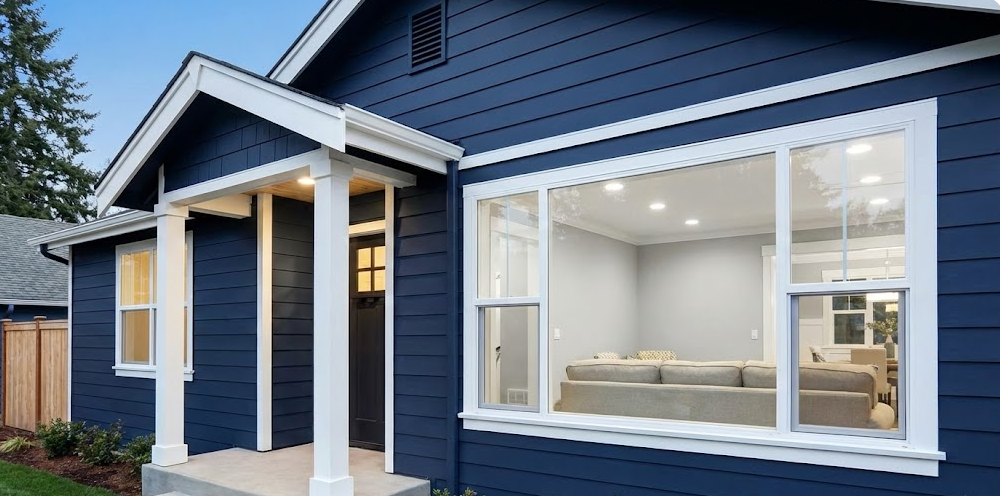
Your home’s exterior is constantly exposed to harsh weather, moisture, and sunlight. Over time, paint begins to fade, crack, or peel, leaving surfaces vulnerable to damage. Professional Exterior House Painting Services do more than improve appearance. They provide essential protection, enhance property value, and extend the lifespan of your home’s structure. When completed by skilled professionals, exterior painting becomes a smart long-term investment rather than a short-term cosmetic fix.
Why Exterior Painting Is Critical for Protection
Exterior paint acts as a protective barrier against environmental elements. Rain and humidity can seep into unprotected wood or siding, causing mold growth and structural deterioration. Sun exposure may lead to fading and surface breakdown.
Professional painters follow a thorough preparation process before applying paint. This includes pressure washing to remove dirt and mildew, scraping loose paint, sanding uneven areas, and sealing cracks. Primer is then applied to improve adhesion and ensure even coverage. These preparation steps are essential for long-lasting durability.
Studies within the home improvement industry suggest that properly maintained exterior paint can last between five and ten years, depending on climate conditions and paint quality. Regular maintenance further extends this lifespan.
Choosing the Right Materials for Lasting Results
Selecting high-quality paint products is crucial for weather resistance. Acrylic latex paints are commonly used for their flexibility and moisture resistance. They expand and contract with temperature changes, reducing the likelihood of cracking.
Color selection also impacts longevity. Lighter shades tend to reflect sunlight, reducing heat absorption and fading. Professional painters provide expert guidance to help homeowners choose colors that match their style while ensuring performance in Seattle’s climate.
Increasing Curb Appeal and Home Value
A freshly painted exterior dramatically improves curb appeal. Clean lines and vibrant colors create a polished appearance that stands out in any neighborhood. Real estate professionals often recommend exterior painting before selling because it increases buyer interest and enhances perceived value.
Beyond resale considerations, a well-maintained exterior reflects pride in ownership. It signals that the property is cared for and protected, which benefits both homeowners and their communities.
Interior Updates for a Complete Transformation
While exterior improvements protect your home, indoor spaces deserve equal attention. Professional interior wall painting enhances comfort, brightness, and overall design appeal. Updating interior walls can modernize outdated colors and create a fresh, inviting atmosphere.
Interior painting requires careful preparation, including patching small imperfections, sanding rough areas, and applying primer. Skilled painters ensure smooth finishes and precise edges around trim and ceilings. The result is a refined and cohesive interior space that complements the newly painted exterior.
The Professional Painting Process Explained
A successful painting project begins with consultation and planning. Homeowners discuss color preferences, timelines, and project scope. After inspection, a detailed estimate outlines materials, labor, and expected completion dates.
Preparation follows, including surface cleaning, repairs, sanding, and priming. During the painting stage, professionals apply multiple coats to achieve consistent color depth and durability. A final inspection ensures every detail meets quality standards.
This structured process ensures long-lasting results and minimizes potential issues.
Why Experience Matters in Painting Projects
Hiring experienced painters provides peace of mind and superior outcomes. Professionals understand how environmental conditions affect drying times and product performance. They use specialized tools to achieve clean lines and even finishes.
Experienced teams also prioritize safety and cleanliness. They protect landscaping and furniture, maintain organized work areas, and complete projects efficiently. Clear communication throughout the process ensures expectations are met.
Maintenance Tips for Painted Surfaces
To maintain your exterior paint, conduct annual inspections to identify minor cracks or peeling. Cleaning surfaces periodically prevents dirt and mildew buildup. Promptly addressing small issues prevents larger and more expensive repairs.
Interior walls should be gently cleaned with mild solutions to maintain brightness and finish quality. Proper care extends the life of your paint and protects your investment.
Why Highlands Painting LLC Is the Right Choice
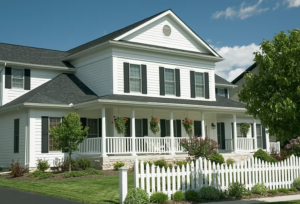
Highlands Painting LLC specializes in delivering high-quality painting services with attention to detail and lasting durability. Their team focuses on thorough preparation, premium materials, and precise application techniques. This commitment ensures reliable protection and beautiful finishes for every project.
With clear communication and customer-focused service, homeowners can trust that their painting needs will be handled professionally from start to finish.
Conclusion
Exterior painting is a vital part of home maintenance and improvement. It protects against environmental damage, enhances curb appeal, and increases property value. When combined with professional interior updates, the result is a complete transformation that improves both beauty and durability. By choosing experienced professionals and maintaining painted surfaces properly, homeowners can enjoy long-lasting results that preserve and elevate their property for years to come.
FAQ
1. How often should exterior house painting be done?
Most homes require repainting every five to ten years, depending on climate conditions and material quality.
2. What type of paint is best for rainy climates?
Acrylic latex paint is recommended for its flexibility, moisture resistance, and durability.
3. Is professional painting worth the cost?
Yes, professional painting ensures proper preparation, high-quality materials, and long-term protection, reducing future repair expenses.