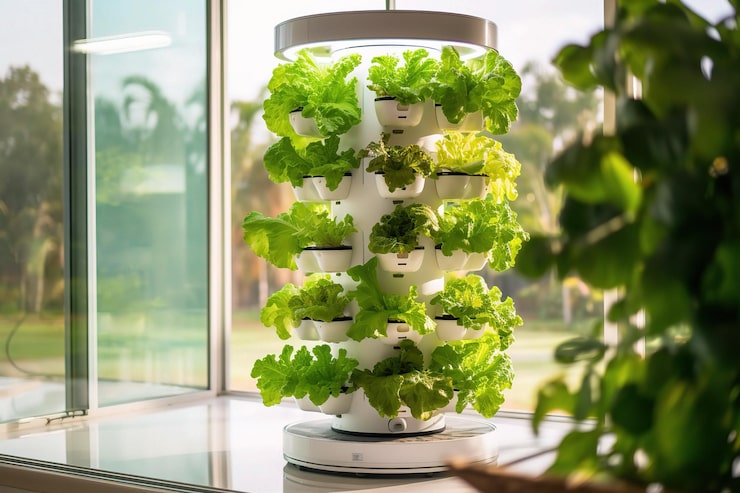
Growing fresh food at home is becoming a priority for people who value healthy eating and sustainable living. However, limited space, changing weather, and lack of time often make traditional gardening difficult. Hydroponic towers provide a modern solution by allowing you to grow greens, herbs, and vegetables vertically using water instead of soil. These systems are designed for both indoor and outdoor use, making home gardening more flexible and productive.
Understanding Hydroponic Tower Gardening
Hydroponic tower gardening is a soil-free method of growing plants where nutrients are delivered directly through water. Plants are placed in openings along a vertical column, allowing their roots to access oxygen, water, and nutrients efficiently. This method promotes faster growth and healthier plants while using significantly less space and water than traditional gardens.
How Hydroponic Towers Operate
A hydroponic tower system typically includes a vertical growing column, planting ports, a reservoir, and a small pump. The pump sends nutrient-rich water to the top of the tower, where it flows downward to feed each plant. Excess water collects at the base and is reused, creating a closed-loop system. This efficient circulation ensures consistent nourishment and reduces water waste.
Key Benefits of Hydroponic Towers
One of the main advantages of hydroponic towers is their ability to maximize growing space. Dozens of plants can grow in a small footprint, making these systems ideal for apartments and urban homes. They also use far less water than soil-based gardening and reduce issues related to weeds and soil-borne pests. As a result, gardeners can enjoy cleaner produce with minimal chemical use.
Crops That Thrive in Hydroponic Towers
Hydroponic towers are ideal for leafy greens such as lettuce, spinach, kale, and arugula. Herbs including basil, parsley, cilantro, and mint grow exceptionally well in these systems. Many gardeners also successfully grow strawberries, peppers, and compact tomato varieties. Selecting plants suited for vertical growth helps ensure proper airflow and balanced development.
Indoor Hydroponic Towers for Year-Round Growing
Indoor hydroponic towers make it possible to grow fresh produce regardless of outdoor conditions. These systems often use energy-efficient LED grow lights to provide the right light spectrum for plant growth. Indoor towers fit well in kitchens, balconies, or living areas and add a modern touch to home decor. Having fresh herbs and greens at home encourages healthier meals and reduces grocery store dependence.
Outdoor Hydroponic Towers for Natural Sunlight
Outdoor hydroponic towers use natural sunlight and fresh air to support plant growth. They are suitable for patios, rooftops, and small garden spaces. Outdoor towers can be moved easily to adjust to seasonal sunlight changes. With proper placement and routine care, outdoor hydroponic towers deliver consistent harvests throughout the growing season.
Vertical Gardening Simplified
Vertical gardening allows you to grow more food in less space while improving plant health. A tower garden system ensures even distribution of water, nutrients, and light across all plants. This design improves airflow and minimizes overcrowding, helping plants grow stronger and reducing the risk of disease. Vertical systems also make planting and harvesting easier by keeping plants at a comfortable height.
Maintenance and Care Essentials
Maintaining a hydroponic tower is straightforward. Regularly checking water levels and nutrient concentration keeps plants healthy. Cleaning the reservoir and pump prevents algae and mineral buildup. Monitoring pH levels ensures plants absorb nutrients effectively. With consistent basic care, hydroponic towers can remain productive for years.
Why Hydroponic Towers Are Beginner-Friendly
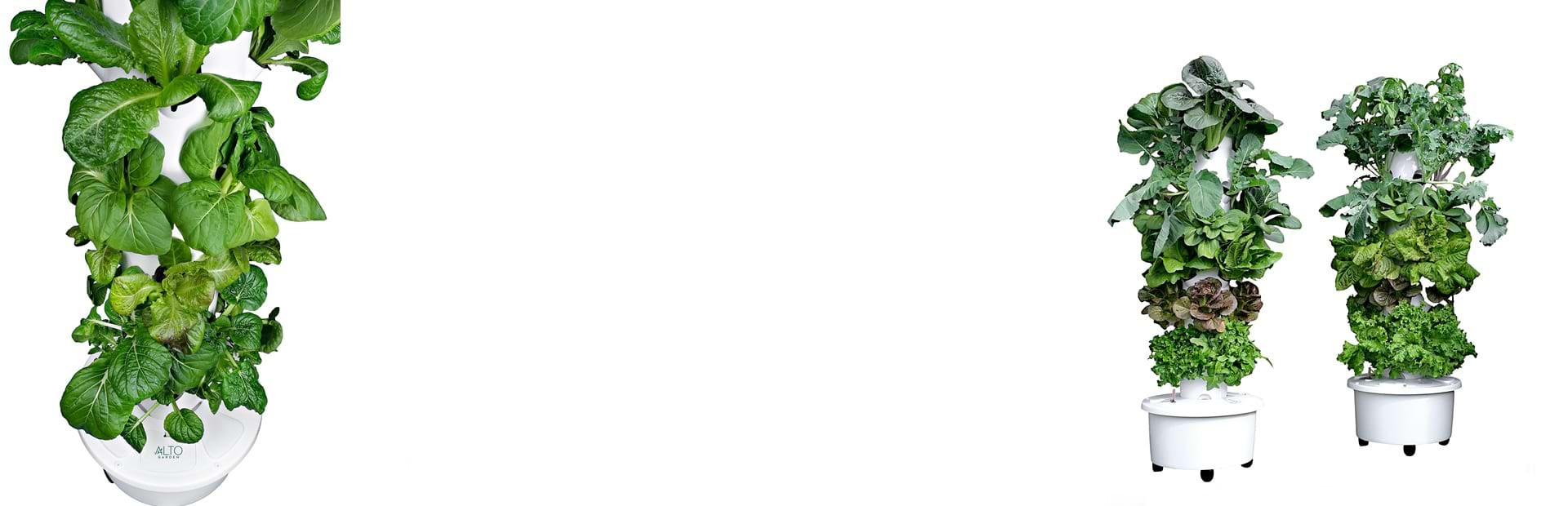
Hydroponic towers are designed for ease of use, making them suitable for beginners. Most systems come with simple setup instructions and require less daily attention than traditional gardens. Once established, the system operates efficiently with minimal intervention. This simplicity makes hydroponic towers an excellent choice for busy households.
Making Hydroponic Towers Part of Daily Life
Incorporating hydroponic towers into your home can change how you think about food. Fresh produce grown at home is often more flavorful and nutritious. Gardening becomes a relaxing routine rather than a demanding task. For families, hydroponic towers offer an educational opportunity to learn about plant growth and sustainability. To explore modern vertical hydroponic solutions.
Summary
Hydroponic towers offer a smart and sustainable way to grow fresh food at home. Their vertical design saves space, conserves water, and promotes faster plant growth. Suitable for indoor and outdoor environments, these systems make year-round gardening possible for homes of all sizes. With simple maintenance and reliable results, hydroponic towers are an excellent option for modern home gardeners.
Frequently Asked Questions
How much space is needed for a hydroponic tower?
Hydroponic towers require very little floor space, making them ideal for apartments and small homes.
Are hydroponic towers expensive to maintain?
Maintenance costs are low since these systems use minimal water and electricity.
Can hydroponic towers be used all year?
Yes, hydroponic towers can be used year-round, especially indoors with controlled lighting and temperature.