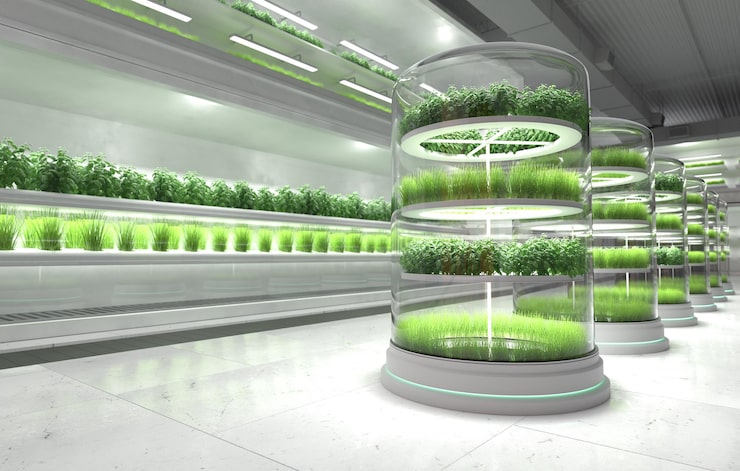
A revolution is taking place in how we grow our food, moving gardening out of vast fields and into compact, vertical spaces. At the heart of this shift is the hydroponic tower garden—a dynamic, soil-free system that allows anyone, anywhere, to cultivate fresh produce with remarkable efficiency. This innovative approach utilizes the principles of hydroponics to create a sustainable, high-yield grow tower ideal for modern living, whether you reside in a sprawling house or a tiny urban apartment.
What is a Hydroponic Tower? Understanding the Technology
A hydroponic tower garden is essentially a vertical cultivation system that replaces soil with a nutrient-rich water solution. Plants are nestled into small pots (often net pots) arranged in stacked tiers, forming a cylindrical or columnar structure. A reservoir tank at the base holds the water and dissolved nutrients.
A key component is the water pump, which cycles this nutrient solution from the reservoir up to the top of the tower. Gravity then takes over, allowing the water to cascade down the internal structure, directly bathing the exposed roots of each plant along the way before returning to the reservoir. This method of recirculating water is not only incredibly efficient but also technically leans into the subset of hydroponics known as aeroponics, where roots are exposed to air most of the time, receiving precise bursts of water. This increased oxygen exposure often leads to significantly faster growth rates.
Vertical Gardens: Maximizing Space and Yield
One of the most compelling advantages of the hydroponic tower is its capacity for vertical gardening. Traditional gardening and farming consume acres of land, dedicating one square foot per plant, such as a head of lettuce. The vertical design radically changes this equation.
In the space of just a few square feet, a vertical grow tower can accommodate dozens of plants. For example, a tower that occupies less than three square feet of floor space can easily grow 24 or more heads of lettuce, achieving up to eight times the yield per square foot compared to conventional horizontal farming.
This compact nature makes the vertical garden perfect for:
- Apartments and condominiums with limited space.
- Balconies, patios, or small outdoor decks.
- Indoor growing setups, using a small footprint in a kitchen or living area.
- Individuals seeking high yields in a confined urban setting.
This efficient use of space addresses a core challenge of modern gardening, making fresh, homegrown food accessible even without a backyard.
Unpacking the Core Benefits of the Hydroponic System
The shift from soil-based gardening to a soil-free hydroponic tower system provides several profound benefits, which collectively create a more sustainable and productive way to grow food:
Water Efficiency and Sustainability
The closed-loop nature of the system is a game-changer for water conservation. Unlike traditional farming, where the vast majority of water is lost to runoff and evaporation, the hydroponic tower garden recycles its water continually. The water is pumped up and allowed to drip down, and any excess is captured and returned to the reservoir. This results in these systems using up to 95% less water than conventional farming methods. This extreme water efficiency is particularly valuable in arid regions or areas facing water scarcity.
Accelerated Growth and Increased Yields
Plants in a hydroponic environment grow faster—often up to three times faster—than those grown in soil. This is due to several factors: the roots receive perfectly balanced nutrients targeted for their specific needs, they have easy access to oxygen in the air between watering cycles, and they don’t expend energy searching for nutrients and water in the soil. This efficiency translates into a potential 30% increase in overall yields over the same period compared to soil-based methods.
Clean, Simplified Gardening
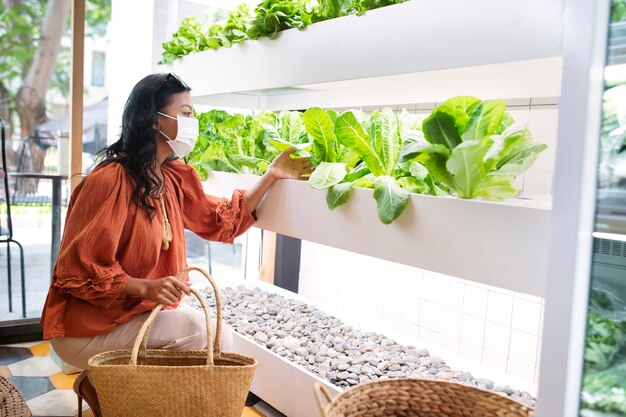
The absence of soil eliminates the mess, weeding, and common soil-borne pests and diseases associated with traditional gardening. Maintenance is simplified through automated watering and, often, automated lighting schedules. Growers simply need to monitor the water level and nutrient balance, making the entire process easier and cleaner to manage indoors. Because the produce is grown in a controlled environment without soil, the need to thoroughly wash most leafy greens is often eliminated.
Harnessing the Power of LED Grow Lights
For a truly year-round, indoor hydroponic tower, grow lights are essential. Plants require light for photosynthesis, the process by which they create their food. While traditional high-pressure sodium bulbs were once costly and energy-intensive, modern LED technology has made indoor growing highly practical.
The LED grow lights available for hydroponic towers are typically full-spectrum, meaning they emit a wide range of wavelengths similar to natural sunlight. This broad spectrum ensures plants receive all the necessary light frequencies needed for every stage of development, from seedling to maturity. Automation is simplified with built-in timers, allowing the user to set a consistent schedule—typically 12 to 16 hours of light followed by a period of darkness—to mimic a natural day-night cycle. When selecting a system, look for lights that offer 360-degree adjustability to ensure even coverage across all tiers of the grow tower.
The Future of Local Food Production
The hydroponic tower garden represents an exciting leap in micro-farming. It provides a means for families to take control of their food source, growing fresh, pesticide-free, and non-GMO produce effortlessly at home. While large-scale industrial hydroponics still faces logistical challenges, the benefits for small-scale and urban farming are undeniable and already widely embraced. This system offers a sustainable, low-water, high-yield solution perfectly suited for the constraints and demands of 21st-century living.
Conclusion
The evolution of farming is leading us back to the home, empowering individuals to grow their own food with greater efficiency than ever before. The hydroponic tower garden is not just a gardening tool; it is a compact, sustainable ecosystem for growing fresh produce year-round. By utilizing this vertical grow tower, you are adopting a method that saves water, increases yield, and eliminates the mess of soil, bringing the benefits of clean, organic growth right to your living space. To explore the diverse options and begin your journey into soil-free gardening, consider the innovative solutions offered by ALTO Garden.