
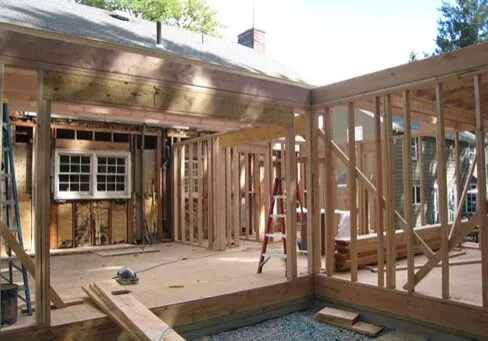
A kitchen is more than a place to cook. It is where mornings begin, conversations happen, and everyday routines come together. That is why cabinetry plays such an important role in shaping the overall look and function of the space. Professional kitchen cabinets installation can completely transform a kitchen, turning unused walls and corners into practical storage while adding character to the home.
Whether it is part of a renovation or a full construction service, cabinets are often one of the most noticeable finishing elements. The right design, layout, and installation approach can improve both aesthetics and efficiency while increasing property value.
From sleek modern layouts to warm traditional finishes, the right cabinetry creates a lasting impression and delivers everyday convenience.
Why Kitchen Cabinets Installation Matters in Every Remodel
Cabinets are one of the hardest-working features in any kitchen. They store cookware, pantry items, cleaning supplies, and appliances while also setting the visual tone for the entire room.
A properly planned kitchen cabinets installation ensures:
- Better storage organization
- More efficient workflow
- Improved kitchen appearance
- Increased resale value
- Long-term durability
For example, a family with a compact kitchen may choose ceiling-height cabinets to maximize vertical storage. A larger open-concept kitchen might benefit from a center island with custom drawers and hidden shelving. Every installation should reflect how the kitchen will actually be used.
Even small cabinet upgrades can dramatically improve day-to-day life.
Example
Imagine replacing aging cabinets with soft-close shaker cabinets in a bright white finish. Instantly, the kitchen feels cleaner, brighter, and more spacious without changing the entire floorplan.
Planning Cabinets Around the Full Construction Service
Cabinet installation works best when it is considered early in the overall construction service plan. Waiting until the final stages can lead to measurement issues, appliance spacing problems, or delays in countertop installation.
A complete construction approach typically considers:
- Cabinet placement affects plumbing.
- Cabinet size affects countertop dimensions.
- Cabinet depth affects appliance fit.
- Cabinet style affects backsplash and lighting choices.
- Everything connects.
That is why experienced contractors often coordinate cabinets alongside flooring, paint, electrical work, and countertops rather than treating them as a separate finishing detail.
Pro Tip
Measure appliance openings twice before ordering cabinets. Refrigerators, wall ovens, and dishwashers need exact clearance for a seamless built-in appearance.
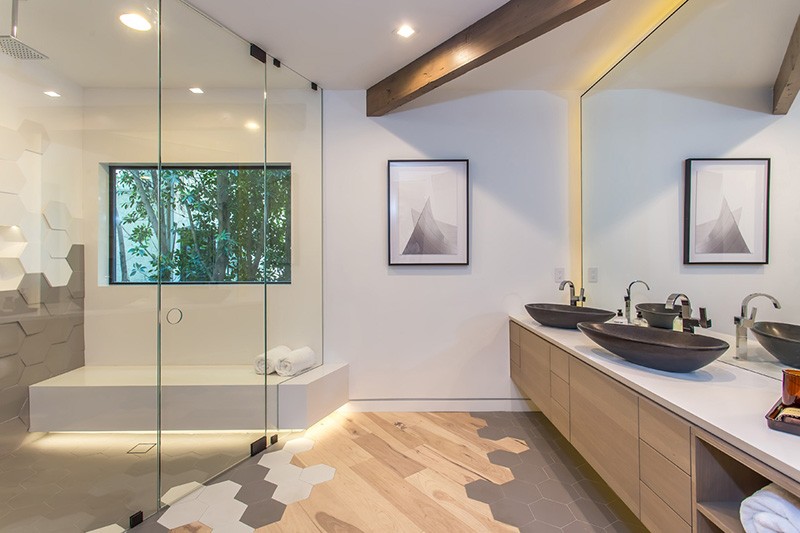
Choosing the Right Cabinet Style for Your Space
Style matters, but so does functionality. The best cabinet design balances both.
Popular cabinet options include:
- Shaker cabinets for timeless versatility
- Flat-panel cabinets for a modern minimalist look
- Raised-panel cabinets for a traditional design
- Open shelving combinations for decorative display and accessibility
Material also makes a difference. Solid wood offers durability and warmth. MDF provides a smooth painted finish. Plywood construction often offers excellent long-term strength in high-use kitchens.
Color selection can completely shift the feel of a room.
For example:
- White cabinets make small kitchens feel larger.
- Natural oak creates warmth and texture.
- Navy blue adds contrast and sophistication.
- Matte black creates bold visual impact.
- Hardware choices like handles, knobs, and drawer pulls add the finishing detail that ties everything together.
Why Professional Installation Makes a Difference
Even the highest-quality cabinets can look uneven if installed incorrectly. Precision matters.
Professional kitchen cabinets installation focuses on:
Level alignment
Secure wall mounting
Proper door spacing
Smooth drawer operation
Accurate crown molding and trim work
Cabinets must sit evenly across the room. If one cabinet is slightly off-level, countertops can become uneven and gaps may appear between doors.
This is especially important in new builds where walls and flooring may shift slightly during construction.
Experienced installers know how to account for those imperfections and create a clean finished appearance.
Example
A custom cabinet installer may use shims behind base cabinets to adjust for uneven flooring before countertops are placed. Once complete, the kitchen appears perfectly level even if the subfloor beneath it is not.
Adding Long-Term Value Through Smart Cabinet Design
Cabinets are an investment. They affect daily comfort and future resale.
Buyers often notice kitchens first when viewing a home. Clean, well-installed cabinetry creates an immediate sense of quality.
Features that add long-term value include:
Soft-close hinges
Deep pull-out drawers
Built-in spice storage
Trash pull-out cabinets
Corner lazy susan storage
Integrated pantry cabinets
These details make kitchens easier to use while also giving the space a premium feel.
Good cabinet design is not just about storage. It is about making movement in the kitchen feel natural and effortless.
Conclusion
A successful kitchen starts with thoughtful planning and quality craftsmanship. Professional kitchen cabinets installation brings together beauty, storage, and function in a way few other upgrades can.
When cabinets are installed as part of a complete construction service, every detail works together more smoothly, from appliances to countertops to lighting. The result is a kitchen that looks polished, performs better, and adds lasting value to the home.
Whether updating an older layout or building from the ground up, investing in the right cabinets can completely redefine the heart of the home. Great cabinetry does more than fill a wall. It creates a space that feels organized, welcoming, and built to last.